New Delhi, September 26, 2026: Mediways Health Foundation’s two-day national conference convenes experts from healthcare, government, industry, CSR and development sectors to promote women’s preventive healthcare.
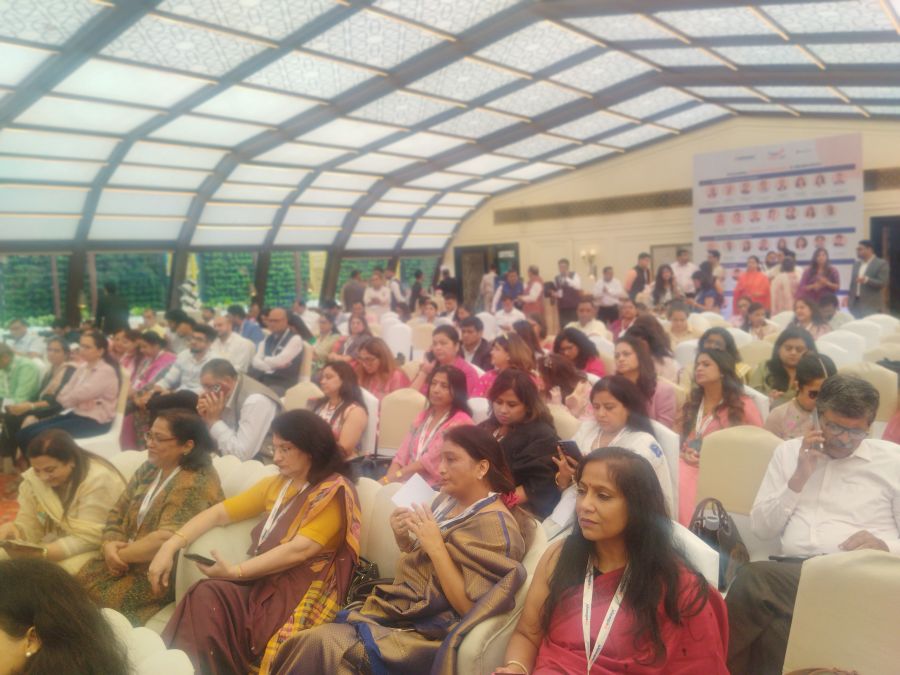
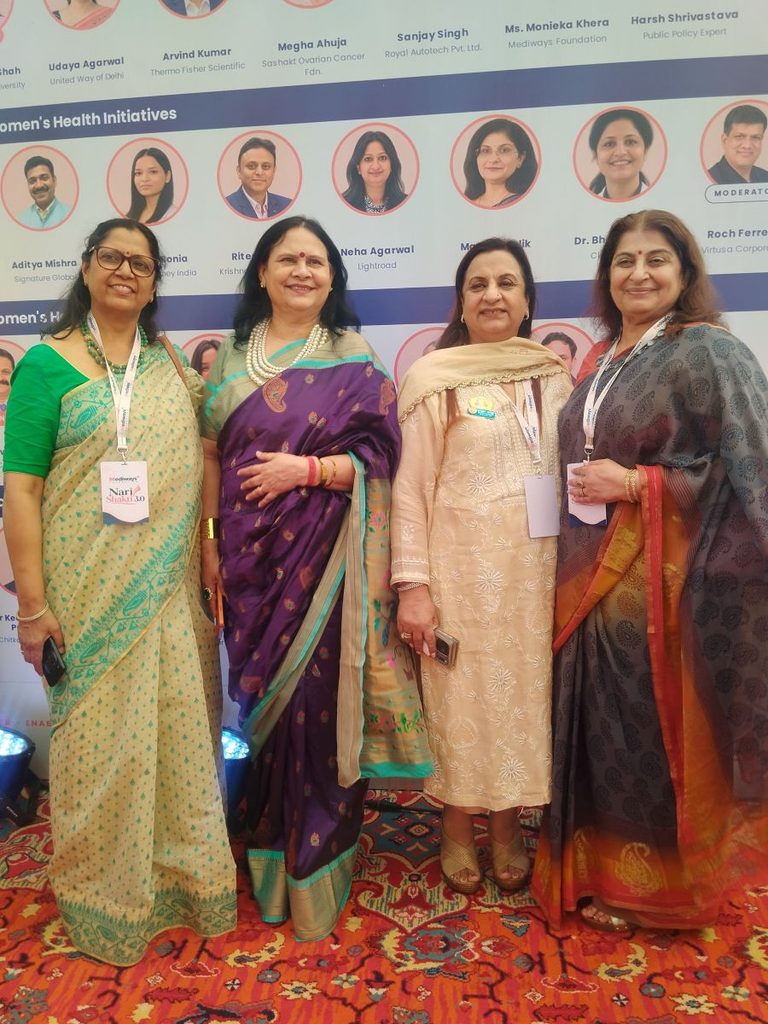
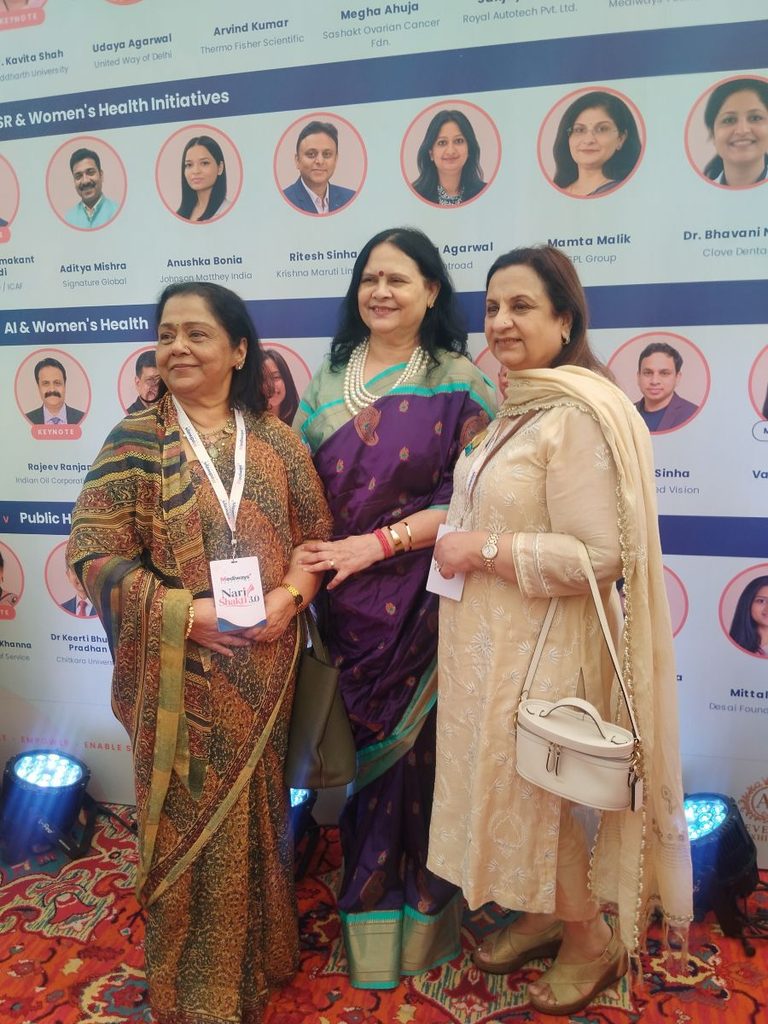
Mediways Health Foundation inaugurates the two-day national conference Nari Shakti 3.0, on ‘Women’s Preventive Healthcare: Intelligent Systems & National Action for Viksit Bharat’, at The Leela Palace, New Delhi. Leaders from the healthcare sector, government, policy-making bodies, industry, technology, CSR & civil society come together to make preventive healthcare services more accessible, responsive & sustainable for women.
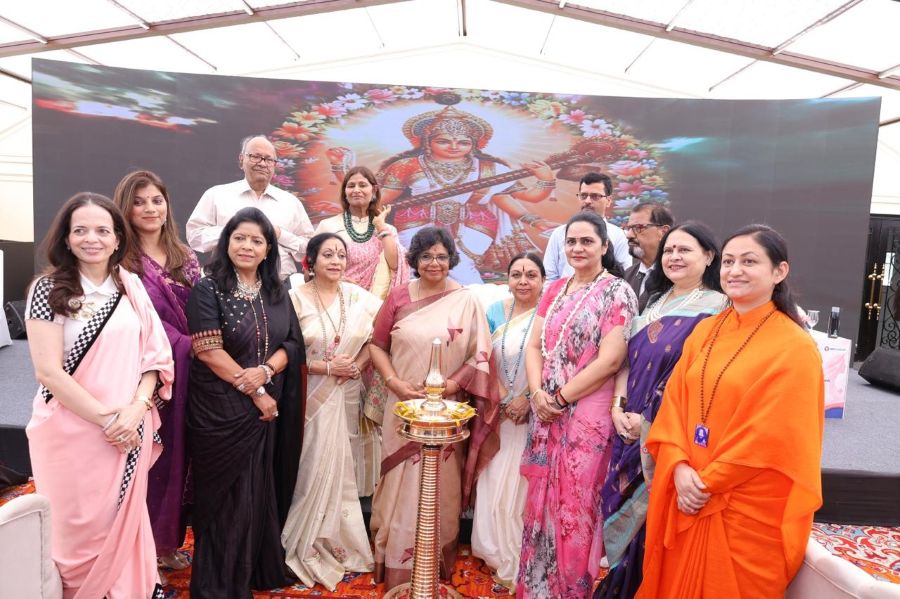
The opening ceremony was graced by eminent personalities and leaders from various fields, including Hon’ble Smt. Vijaya K. Rahatkar, Chairperson, National Commission for Women; Shri Kishor Makwana, Chairman, National Commission for Scheduled Castes; Smt. Sunita Duggal, an Indian politician and ex-Member of Parliament, Sirsa and special guests, Padma Shri Nalini Asthana and Padma Shri Kamalini Asthana.
Addressing the conclave as the Chief Guest, Hon’ble Smt. Vijaya K. Rahatkar highlighted the importance of women’s health vis-à-vis national development and pointed out that the well-being of women is very much important to the welfare of families, societies and country.
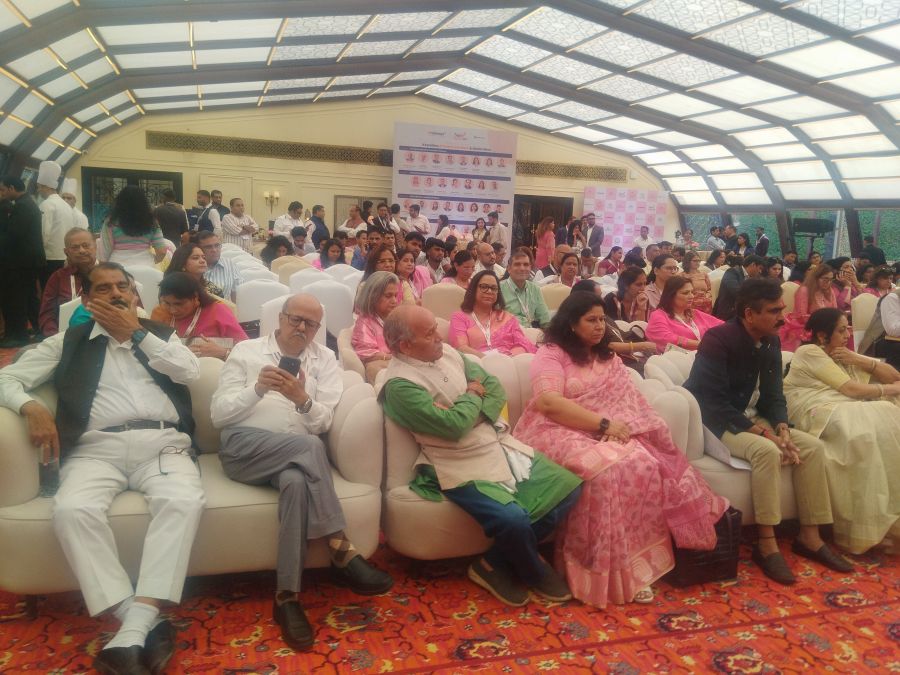
“By placing women at the center of healthcare, we are empowering not only the individual but her family, community and the country as a whole. Prevention is more than mere screening; awareness must be linked to early detection, proper referral, treatment and follow-up. Each and every woman must have access to health care facilities with dignity, confidence and privacy. A strong and healthy woman is not simply a recipient of India’s developmental progress; she is one of its most powerful agents,” said Smt. Vijaya K. Rahatkar.
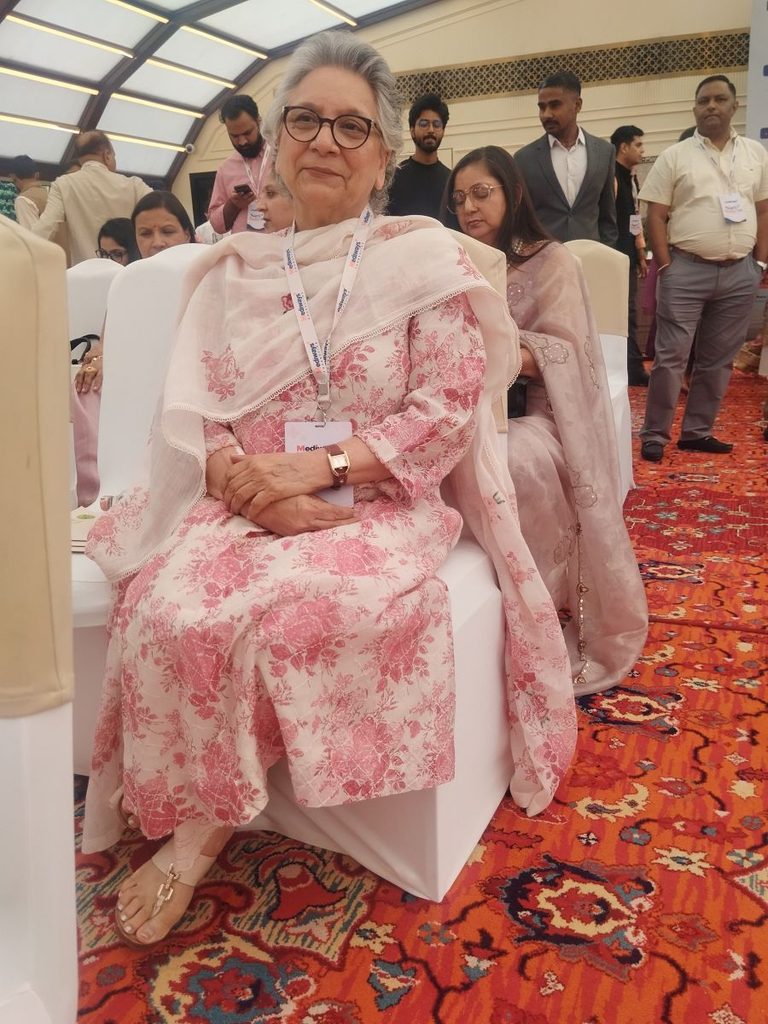
While stressing on the need for a new perspective on preventive health care, Smt. Rahatkar stressed that screening alone does not constitute prevention. What was needed was a continuum of health care which would involve awareness and early detection linked to proper referral, treatment and follow up.
Keynote address by Prof. (Dr.) Goura Kishor Rath, an eminent radiation oncologist and former Head of the National Cancer Institute, AIIMS, New Delhi, on the subject of early detection, cancer prevention and early intervention, especially in the case of women.
Speaking on the importance of knowledge, awareness and personal responsibility in preventing cancer, Dr. Rath said, “Prevention must start before the disease starts. In the case of women’s health, early detection, HPV vaccinations and awareness can entirely change the cancer treatment trajectory. We always look at institutes or governments to provide us with solutions but there is also need for preventive actions as individuals. Awareness is much more than education; it is knowing how to save one’s life. If we can ensure proper education and vaccination for every girl and screening for every woman, cancer will become a less fearsome and less preventable disease.”
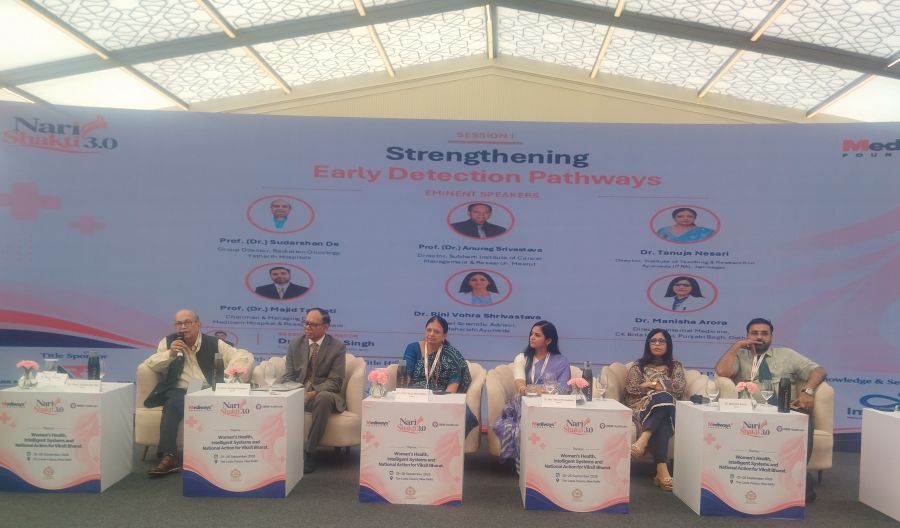
In the first session of experts entitled ‘Strengthening Early Detection Pathways’, the focus was on the process from the screening and diagnosis to treatment and follow up. The expert session was moderated by Dr. Prakhar Singh and involved the following experts: Dr. (Prof.) Sudarsan De – Group Director, Radiation Oncology, Yatharth Super Speciality Hospitals; Prof. (Dr.) Anurag Srivastava – Director, Medical Research, Swami Vivekanand Subharti University, Meerut, Former Head, Department of Surgical Disciplines, AIIMS, New Delhi; Prof. (Dr.) Tanuja Manoj Nesari – Director, Institute of Teaching and Research in Ayurveda (ITRA), Jamnagar; Prof. (Dr.) Majid Ahmed Talikoti – Founding Chairman & Managing Director, Medicant Hospital and Medical Research Centre, Bokaro; Dr. Rini Vohra Shrivastava – Chief Scientific Advisor, Maharishi Ayurveda; and Dr. Manisha Arora – Director, Internal Medicine, CK Birla Hospital, Delhi.
The discussion was about the need to improve the practice of early detection pathways and strengthen the connection between the screening and diagnosis processes. Prof. Dr. Sudarsan shared how our traditional wisdom always connects the quality of life and the diet we consume, and how now the modern science can explain it to us. While Prof. Dr. Anurag Srivastava told how the changes in our dietary and lifestyle
The programme then moved on to the institutional aspects of prevention of health, where Prof. Kavita Shah was the keynote speaker at the second session, which was followed by a panel discussion titled ‘Prevention as Institutional Policy’. This panel discussion was moderated by Harsh Srivastava, which consisted of Udaya Agarwal- Head, Programmes and Strategic Partnership, United Way of Delhi; Arvind Kumar- Total Rewards Leader, India, Australia, New Zealand and Russia, Thermo Fisher Scientific; Monieka Khera- Member, Advisory Board, Mediways Health Foundation; Megha Ahuja- Founder, Sashakt – The Ovarian Cancer Foundation; Director, Vivekanand School; and Shilpa Narang Jerath- Former CHRO Oppo India, to deliberate on the role that workplaces, institutions, and organisations could play in support of preventive health in women.
The first day of the conference included reflections from Dr Urvashi Mittal, Chief Patron, and speech by Shri Kishor Makwana, Chairman, National Commission for Scheduled Castes.
Session 3 of the afternoon dealt with topics related to CSR activities for women’s health and looked at how consistent institutional commitment could help in achieving the objectives of prevention and good health. Keynote presentation was made by Prof. (Dr.) Ramakant Dwivedi, and the session was moderated by Roch Ferreira, and panelists included: Aditya Mishra- Head, CSR & ESG, Signature Global; Anushka Bonia- CSR Lead, Johnson Matthey India; Ritesh Sinha- CSR Head, Krishna Maruti; Neha Agarwal- Founder and CEO, Light Road; Mamta Malik- Group Head CSR & Corporate Communication, RSPL Group; and Dr Bhavani Nair- AVP, Clinical Operations (North India) and Strategic Projects, Clove Dental.
The first day of Nari Shakti 3.0 ended with a summary of the discussions and emphasized the need for a healthcare strategy that goes beyond just treatment but includes elements of prevention, early detection, timely intervention, and consistent continuation of care.